
Building a Smarter Elecrow PCBA Testing Strategy
How to choose the right Elecrow PCBA test depth for prototypes, pilot runs, and volume manufacturing without overspending.
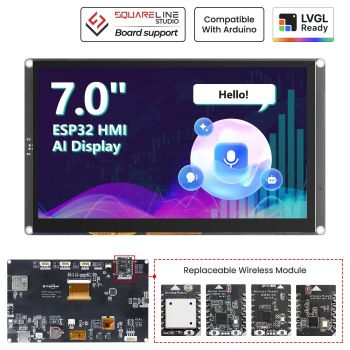
Testing should match product risk
Not every PCBA needs the same test stack. A disposable sensor board and a medical-adjacent controller should not share identical validation depth. The goal is enough coverage to protect customers without slowing every build unnecessarily.
Elecrow PCBA testing becomes more effective when teams define failure cost clearly: field return risk, safety impact, and brand damage all justify deeper checks.
Prototype testing goals
Early PCBA builds should confirm bring-up paths, power integrity, and major interfaces. Exhaustive production fixtures can wait until the design stabilizes.
Production testing goals
Volume PCBA testing should catch process drift quickly and verify critical functions with repeatable, documented criteria.
A layered Elecrow PCBA test model
A practical model starts with assembly inspection, continues with electrical or in-circuit checks where useful, then ends with functional and firmware validation. Each layer catches a different class of defect.
Skipping layers to save money can be rational for low-risk boards, but it should be a conscious decision rather than an accidental omission in the PCBA plan.
Functional tests that mirror real use
Power-up, communication, display output, button response, and radio connectivity are common Elecrow PCBA functional checks for IoT and HMI products.
Firmware and configuration control
If boards ship programmed, treat firmware revision as part of the PCBA release package. Mixed firmware versions create support chaos later.
How to brief your manufacturer
Provide expected pass/fail criteria, connector orientation photos if helpful, and any known sensitive measurements. Clear briefs reduce subjective judgment on the line.
Elecrow PCBA partners can execute faster when testing is specified as part of the manufacturing package rather than added after first-article surprises.